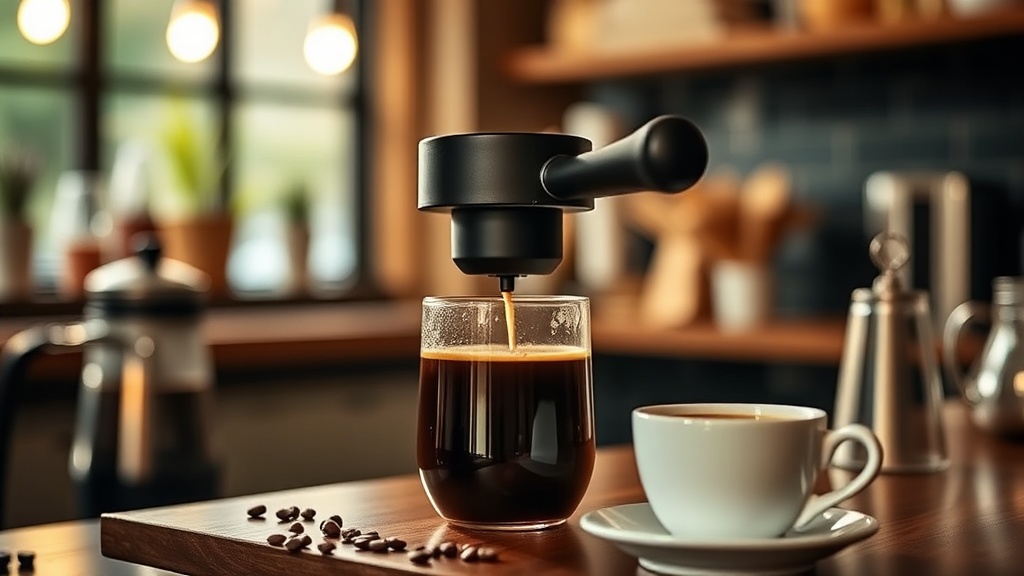
Crafting a High-End Coffee Experience at Home

Most people believe that a high-end coffee experience requires a $3,000 espresso machine and a professional barista standing in your kitchen. That's a mistake. While high-end hardware certainly helps, the real secret to cafe-quality coffee at home lies in the precision of your variables—water temperature, grind consistency, and bean freshness—rather than just the price tag of your gear. This guide breaks down the specific components you need to master the art of the pour-over, the espresso shot, and the perfect milk texture.
What Equipment Do I Need for High-End Coffee?
You need a high-quality burr grinder, a precision scale, and a consistent heat source to move beyond mediocre coffee. Most people skip the grinder, but it's actually the most important investment you'll make. A blade grinder chops beans into uneven chunks, leading to a bitter, inconsistent cup. A burr grinder, however, produces uniform particles that ensure even extraction.
If you're looking to build a serious setup, start with these three pillars:
- The Grinder: Look at the Fellow Ode Gen 2 for pour-overs or the Baratza Encore ESP if you want something that can handle espresso-sized particles.
- The Scale: A digital scale with a timer is non-negotiable. The Acaia Pearl is the gold standard, but any scale that measures to 0.1 grams will do.
- The Brewer: For a clean, bright cup, a Hario V60 or a Chemex works wonders. For something more textured and heavy-bodied, a French Press is your best bet.
Don't overlook the water. Coffee is roughly 98% water, so if your tap water tastes like chlorine, your coffee will too. Using filtered water from a Brita or even bottled spring water can drastically change the flavor profile. It's a small detail, but it's often the difference between "good" and "extraordinary."
For those who enjoy a sensory-driven morning, pairing your coffee ritual with a specific atmosphere is a great way to set the tone. I often find that elevating your morning ritual with scented layering helps bridge the gap between a simple caffeine fix and a true luxury experience.
How Much Does a Home Coffee Station Cost?
A professional-grade home coffee station typically costs between $500 and $2,500 depending on whether you want espresso-based drinks or pour-overs. If you are strictly a pour-over enthusiast, you can get a world-class setup for much less. If you want to pull actual espresso shots with pressure, expect to pay a premium for the machinery.
Here is a breakdown of what you can expect to spend based on your desired level of complexity:
| Setup Type | Core Components | Estimated Cost |
|---|---|---|
| The Purist (Pour-over) | Hario V60, Gooseneck Kettle, Burr Grinder | $150 - $300 |
| The Enthusiast (Espresso) | Breville Bambino, Milk Frother, Precision Scale | $600 - $1,200 |
| La Marzocco Linea Micra, High-end Grinder, Precision Tools | $4,000+ |
It’s tempting to go straight for the most expensive machine you see on Instagram. But honestly? A well-tuned $200 grinder and a $30 Hario dripper will produce a better cup of coffee than a $1,000 machine paired with cheap, pre-ground beans. The math is simple: invest in the beans and the grinder first.
Can I Make Better Coffee with Just a Pour-Over?
Yes, a pour-over method can produce a more complex and nuanced flavor profile than an automatic drip machine. This is because the manual control over water temperature and pour speed allows you to dictate exactly how much flavor is extracted from the bean. It's a slower process—certainly not for the impatient—but the results are worth the extra five minutes.
To master the pour-over, you need to understand the relationship between grind size and water flow. If the water flows through too fast, your coffee will be sour and thin. If it sits too long, it'll be bitter and heavy. To avoid this, follow these steps:
- Pre-heat everything: Pour hot water through your filter and into your carafe. This prevents the vessel from stealing heat from your coffee during the brew.
- The Bloom: Pour just enough water to wet the grounds (about double the weight of the coffee) and wait 30 seconds. This releases CO2—a process called degassing—which prevents a "sour" taste.
- The Slow Pour: Use a gooseneck kettle to control the flow. You want a steady, circular motion that avoids the edges of the filter.
- Watch the Temperature: Ideally, your water should be between 195°F and 205°F. You can check the technical aspects of coffee brewing on Wikipedia to see how temperature affects chemical extraction.
I've found that the ritual of the pour-over is just as important as the caffeine. It forces you to be present. It's a moment of stillness before the chaos of the day begins.
If you find that your morning routine feels a bit scattered, you might want to look into the 5-minute evening reset to ensure you're actually ready to enjoy these slow mornings. A great coffee experience starts the night before.
One thing to keep in mind: never use boiling water directly on your grounds. It's a common mistake that leads to scorched, unpleasant flavors. Let the water sit for a minute after it reaches a boil before you start pouring. It's a small adjustment, but it makes a massive difference in the clarity of the cup.
The beans themselves are your foundation. If you aren't buying whole beans and grinding them right before brewing, you're essentially throwing away half the potential of your equipment. Look for roasteries that provide a "roasted on" date rather than a "best by" date. If the beans were roasted more than a month ago, the flavor profile has likely started to degrade. You want that peak freshness to experience the true notes of chocolate, citrus, or berry that the roaster intended.
It's also worth noting that even the best beans won't save you if your water is hard. If you live in an area with high mineral content, your coffee might taste "flat." A simple charcoal filter or a dedicated water pitcher can solve this instantly. It's a low-cost way to ensure your high-end equipment actually performs the way it was designed to.
Ultimately, the goal isn't to own the most expensive gear on the market. The goal is to understand the variables. Once you control the grind, the water, and the bean, you can make a world-class cup of coffee in any kitchen. It's about the precision, not the price tag.