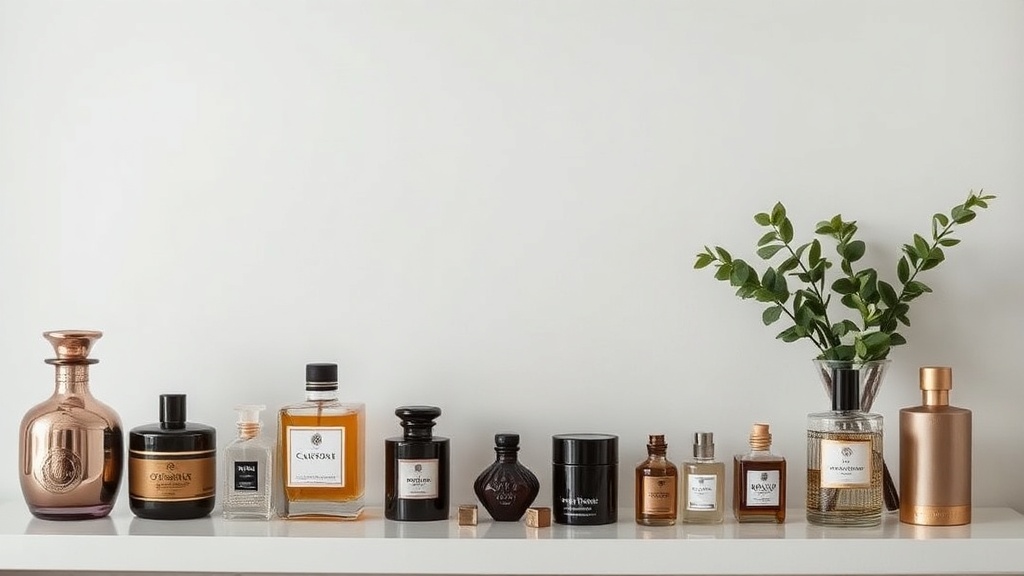
Curate a Bespoke Home Fragrance Wardrobe

Most people treat home fragrance as an afterthought—a single candle bought on a whim or a generic reed diffuser left in a corner. This is a mistake. A curated fragrance wardrobe isn't about making a room smell "good"; it's about using scent to dictate the mood, energy, and function of different spaces within your home. This guide breaks down how to move beyond single-scent purchases and build a collection of high-quality scents that match the rhythm of your daily life.
What is a Home Fragrance Wardrobe?
A home fragrance wardrobe is a collection of different scents categorized by time of day, room function, and seasonal shifts. Instead of relying on one signature scent for your entire house, you use specific olfactory profiles to signal to your brain that it's time to wake up, focus, or unwind. It's the difference between wearing a basic t-shirt and a tailored suit—it's about intentionality.
Think of your home like a wardrobe of clothes. You wouldn't wear a heavy wool coat to the beach, so why would you burn a heavy, spicy oud in a sun-drenched breakfast nook at 8:00 AM? It doesn't fit the vibe.
To build this, you need to understand the three main delivery systems:
- Candles: Best for ambiance and controlled, intense scent throw.
- Reed Diffusers: Ideal for consistent, low-maintenance background scent in smaller rooms like bathrooms or hallways.
- Room Sprays: Perfect for instant, temporary bursts of freshness before guests arrive.
I've found that having a mix of these allows for much more control over the intensity of the scent. If you're someone who values a ritualistic approach to your environment, you might want to elevate your morning ritual with scented layering to bridge the gap between your personal scent and your living space.
How Much Should You Spend on High-Quality Scents?
The cost of a high-quality fragrance wardrobe typically ranges from $40 to $150 per item, depending on the brand and the complexity of the ingredients. While you can find cheap options at big-box retailers, those often use synthetic fragrances that can cause headaches or even nausea. If you're investing in your home, you should look for brands that prioritize natural essential oils and high-quality wax.
Here is a breakdown of how different price points generally look in the luxury market:
| Tier | Typical Price Range | Brand Examples | What to Expect |
|---|---|---|---|
| Entry-Level Luxury | $30 – $50 | Voluspa, Nest New York | Clean ingredients, consistent scent, great for daily use. |
| Mid-Tier Premium | $60 – $90 | Diptyque, Jo Malone London | Complex notes, iconic branding, much better "throw." |
| Ultra-Luxury | $100+ | Byredo, Le Labo, Trudon | Artisanal craftsmanship, rare ingredients, high-end aesthetic. |
Don't feel like you have to buy everything at the top tier. A well-managed wardrobe uses a mix. Use a high-end Diptyque candle for a dinner party, but use a reliable Nest reed diffuser for the guest bathroom. It's about smart allocation.
How Do I Choose the Right Scents for Each Room?
Selecting the right scent depends entirely on the room's purpose and the light levels within that space. You want to match the "weight" of the scent to the "weight" of the room's function.
The Kitchen and Dining Area
In areas where food is prepared, keep it light and crisp. You want to avoid heavy, cloying scents like vanilla or heavy musk, as they can clash with the smell of your cooking. Look for citrus, herbal, or light botanical notes. A lemon or basil-based scent works wonders here. It feels clean and refreshing without being intrusive.
The Living Room
The living room is your social hub. This is where you can experiment with "comfort" scents. Think sandalwood, amber, or cedarwood. These scents feel grounded and welcoming. If you're hosting a gathering, a scent with a bit more "body" helps the room feel lived-in and sophisticated.
The Bedroom
The bedroom requires a different approach—one focused on relaxation and sleep hygiene. This is the place for lavender, chamomile, or light woodsy notes. Avoid anything too stimulating or overly sweet. You want to signal to your nervous system that the day is over. (And please, avoid overly "perfumy" scents here; they can be quite jarring when you're trying to drift off.)
The Home Office
If you work from home, your scent should aid focus. Peppermint, eucalyptus, or rosemary are excellent choices. These scents are known for their ability to increase alertness and mental clarity. A quick spray of a high-quality room mist can act as a mental "reset" button when you're feeling stuck.
How to Build Your Collection Step-by-Step
Don't try to buy twenty candles at once. You'll end up with a cluttered shelf of half-used jars. Instead, follow this progression:
- Identify your "Base" Scents: Pick two or three scents that you genuinely love and that work across multiple rooms. These are your staples.
- Select Your Delivery Methods: Decide where you need constant scent (reed diffusers) versus where you want ritualistic scent (candles).
- Seasonal Rotation: This is where the "wardrobe" aspect comes in. In the winter, lean into heavier, warmer notes like spice and oud. In the summer, pivot to lighter, aquatic, or citrus profiles.
- Audit Your Collection: Every few months, check your inventory. If you haven't lit a certain candle in months, it's time to move on.
A quick tip on safety: Always check the Consumer Product Safety Commission guidelines regarding candle safety, especially if you have pets or small children. Never leave a candle unattended, and always trim your wicks to 1/4 inch to ensure a clean burn.
Building a scent wardrobe is an exercise in self-awareness. It requires you to stop and ask: How do I want to feel in this room right now? Once you master that question, your home will feel significantly more intentional and, frankly, much more luxurious.
Steps
- 1
Identify Your Signature Scent Profile
- 2
Select High-Quality Delivery Methods
- 3
Implement a Seasonal Rotation Strategy
- 4
Layer Scents Across Different Rooms