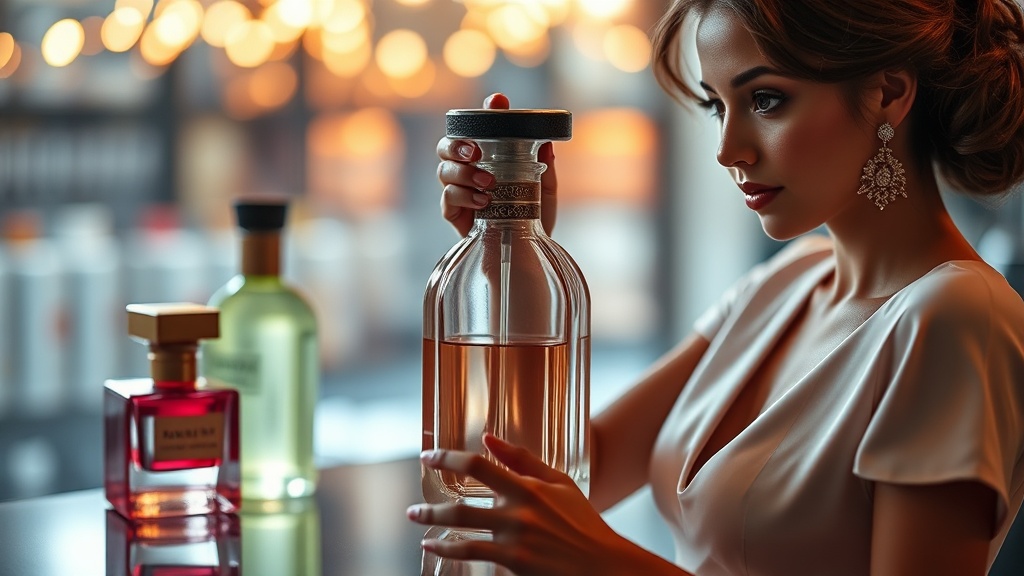
Elevating Your Fragrance Selection for Every Occasion

Quick Tip
Match the weight of your fragrance to the intensity of your environment.
Selecting the right fragrance depends on matching the scent profile to the environment and the time of day. This guide breaks down how to categorize your collection so you always smell appropriate—whether you're at a boardroom meeting or a casual brunch.
How Do I Choose a Scent for Daytime vs. Evening?
Daytime fragrances should be lighter and less intrusive, while evening scents can be much heavier and more complex. For a morning meeting in Denver, think about citrus or light woody notes from brands like Jo Malone London. These scents won't overwhelm your colleagues in a closed office space.
When the sun goes down, you can switch to something with more "weight." This is where amber, oud, or spice notes come into play. If you're heading to a high-end gala or a formal dinner, a scent like Tom Ford Oud Wood offers the presence you need. It’s a different vibe entirely—bold, unapologetic, and much more memorable.
Here is a quick breakdown of scent types by occasion:
| Occasion | Preferred Scent Profile | Example Brand/Product |
|---|---|---|
| Office/Daytime | Citrus, Neroli, Light Florals | Acqua di Parma |
| Outdoor/Casual | Green Tea, Sea Salt, Vetiver | Hermès Terre d'Hermès |
| Formal Evening | Oud, Amber, Sandalwood | Byredo |
What Are the Best Fragrance Concentrations?
The concentration of perfume oils determines how long the scent lasts on your skin and how much it projects. You'll generally find four main types: Eau de Cologne, Eau de Toilette, Eau de Parfum, and Extrait de Parfum.
- Eau de Cologne (2-4% oil): Great for a quick refresh, but it won't last long.
- Eau de Toilette (5-15% oil): Perfect for daily wear and lighter daytime use.
- Eau de Parfum (15-20% oil): The standard for most high-end collectors.
- Extrait de Parfum (20-40% oil): Very potent and stays on the skin for many hours.
Don't forget that skin chemistry plays a massive role in how a scent develops. A fragrance might smell incredible on a paper strip at a shop but turn sour once it hits your skin. I always suggest testing a scent on your wrist and letting it sit for at least an hour before buying. It's a small step, but it saves you from a costly mistake. To understand more about the chemical composition of these scents, you can check out the technical breakdown on Wikipedia.
If you're looking to create a cohesive sensory environment, consider how your scent complements your surroundings. Much like organizing your personal sanctuary, your fragrance collection should be a curated part of your lifestyle. For those interested in the science of how we perceive smell, the National Institutes of Health offers extensive research on olfactory senses.