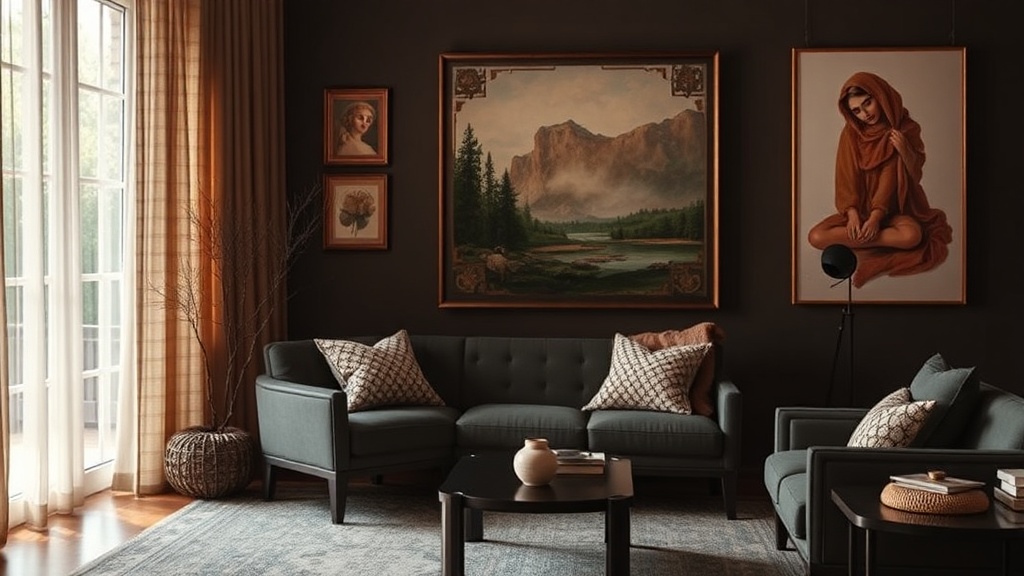
Thoughtful Approaches to Curating and Presenting Art Within Your Home

How do you begin selecting art that resonates with you?
This guide walks you through the deliberate process of selecting and displaying art to create a personal, sophisticated gallery within your living space. You'll learn how to identify pieces that speak to your individual aesthetic, understand placement strategies that maximize visual impact, and avoid common missteps that can detract from your collection's overall presentation and longevity. Developing a refined eye for art and integrating it seamlessly into your residence transforms a house into a truly personal sanctuary.
The journey of building an art collection—even a modest one—starts with introspection. What emotions do certain colors evoke in you? Which forms, textures, or subjects consistently capture your attention? Your home is an extension of your identity, and the art you choose should reflect that. Consider the prevailing style of your interiors. Is it minimalist, traditional, contemporary, or eclectic? While contrast can be compelling, a foundational understanding of your home’s existing design helps you select pieces that either harmonize or offer a deliberate, striking counterpoint.
Art encompasses a vast spectrum: oil paintings, watercolor, sculpture, contemporary photography, mixed media, and textile art, to name a few. Each medium offers a unique tactile and visual experience. Exploring different types broadens your perspective and might lead you to a style you hadn't considered. For discovery, reputable galleries remain invaluable; they often represent emerging and established artists, offering expert guidance and insights into an artist's body of work. Art fairs provide an exciting, concentrated opportunity to see diverse collections, while online platforms can offer broader access—though always exercise due diligence when purchasing remotely. Visiting artists' studios provides a unique connection to the creative process. Understanding the provenance of a piece—its history of ownership—adds depth and context, and can be a significant factor for collectors.
What considerations guide art placement for maximum impact?
Once you acquire a piece, its placement is almost as important as the acquisition itself. Light is a primary factor. Natural daylight, while beautiful, can cause irreversible damage from UV rays; direct sunlight on artwork should generally be avoided. Consider UV-protective glass for framed works exposed to ambient light. Artificial lighting, such as adjustable spotlights or picture lights, can dramatically enhance a piece, drawing the eye and revealing subtleties. The goal is to illuminate the art without creating glare or excessive heat.
Scale and proportion are critical. A diminutive piece on a vast wall can appear lost, just as an overly large work might overwhelm a smaller space. Aim for balance. Generally, artwork should occupy about two-thirds to three-quarters of the wall space it commands, leaving sufficient breathing room around it. For furniture groupings, the bottom edge of a framed piece should typically be 6-12 inches above the top of the furniture, ensuring visual cohesion. When hanging multiple pieces, think about them as a single unit. A classic approach is the 'salon style' hang, where various sized pieces are arranged in a dense, intentional cluster, often centered around an imaginary axis. Alternatively, diptychs (two pieces) or triptychs (three pieces) by the same artist or with a shared theme create a powerful statement. The old rule of thumb for eye-level placement—centering the artwork so its midpoint is approximately 57-60 inches from the floor—offers a good starting point, though this can be adjusted based on ceiling height and furniture arrangement. Ultimately, you're aiming to create a focal point, drawing attention to a particular area or piece that enriches the room’s narrative.
Are there common pitfalls to avoid when building an art collection?
The allure of a new acquisition can sometimes cloud judgment, leading to impulsive purchases. A considered approach, one that involves research, multiple viewings, and perhaps even consulting an art advisor, generally leads to a more satisfying collection over time. Resist the urge to fill every blank space; an overcrowded environment diminishes the individual impact of each piece. Sometimes, less truly is more, allowing select works to command attention without competition.
Conservation is often overlooked. Environmental factors like fluctuating humidity, extreme temperatures, and dust pose significant threats to artwork. Paintings can crack, paper can become brittle or discolored, and sculptures can corrode. Maintaining a stable environment, ideally with consistent temperature and humidity levels, is ideal. Regular, gentle dusting and avoiding harsh cleaning agents will also protect your investment. When it comes to hanging, never compromise on secure installation. Utilize appropriate hardware for the weight of the piece and the type of wall. For heavier or particularly valuable works, professional installation offers peace of mind and prevents potential damage from improper hanging. Lastly, while mixing styles can create dynamic tension, do so thoughtfully. An intentional dialogue between disparate pieces is engaging; a haphazard assortment simply appears disjointed.
For those looking to refine their presentation further, custom framing can transform a piece. It's not merely protection; the right frame—its material, color, and profile—can enhance the artwork's features and integrate it more fluidly into its surroundings. Consider working with a professional framer who understands conservation principles and design aesthetics. Thoughtful lighting, as mentioned, moves beyond general illumination; specific art lights can highlight textures and colors, bringing the work to life after dusk. Over time, your taste may evolve, or you might acquire new pieces that prompt a re-evaluation of your existing display. Rotating pieces or re-curating sections of your collection keeps your spaces fresh and allows for different artworks to take center stage. Finally, ensure your collection is adequately documented and insured. High-value pieces warrant specific appraisals and coverage to protect your investment. The Metropolitan Museum of Art offers excellent