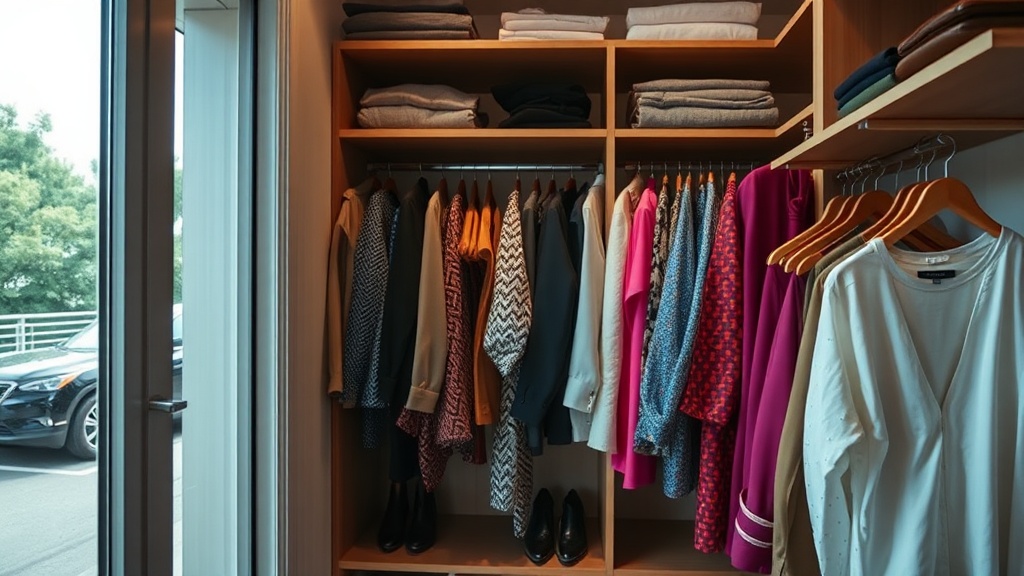
Why Does a Well-Organized Closet Change How You Feel About Getting Dressed?

This post explains how thoughtful closet organization affects your daily routine, your mindset, and the longevity of your wardrobe investments. You will learn practical strategies for arranging your storage space, the psychological benefits of visual order, and specific techniques that make selecting outfits feel effortless rather than stressful.
What Happens to Your Morning When You Cannot Find Anything?
Most people underestimate how much time they waste digging through cluttered shelves and overstuffed hangers. The average person spends roughly twelve minutes each morning searching for clothing items — that adds up to nearly seventy-three hours annually. Those are hours you will never recover, spent in frustration instead of enjoying your coffee or preparing for the day ahead.
A disorganized closet creates decision fatigue before you have even left your bedroom. When you cannot see what you own, you default to the same three outfits repeatedly. Pieces you invested in sit unworn, tags still attached, because they disappeared into the depths of a chaotic drawer. The mental load of visual clutter extends beyond aesthetics — it actually raises cortisol levels. Your brain processes untidy spaces as unfinished tasks, creating low-grade stress that follows you through the morning.
The solution is not simply buying more storage bins or installing another hanging rod. True closet organization requires understanding your habits, your wardrobe composition, and how you actually move through space when getting dressed. It means creating systems that work with your natural tendencies rather than fighting against them.
How Should You Arrange Clothing for Daily Function?
Start by removing everything and assessing what deserves to return. This sounds extreme, but emptying the space lets you evaluate the closet itself — the lighting, the hanging height, the shelf depth — without the distraction of clothing. You will likely discover forgotten items, duplicate purchases, and pieces that no longer fit your lifestyle.
Group remaining items by category first, then by frequency of use. Daily staples — the shirts, trousers, and dresses you reach for constantly — belong at eye level and within easy arm's reach. Occasional pieces can occupy higher shelves or less accessible corners. Seasonal items should rotate; there is no reason summer dresses should compete for space with wool coats in January.
Consider the flow of your dressing routine. If you select bottoms first, arrange pants and skirts where your eyes land initially. If you build outfits around statement pieces, position those prominently. Some people organize by color, creating a visual gradient that makes locating specific items intuitive. Others prefer grouping by occasion — work separates, casual weekend wear, evening attire. The best system is the one you will actually maintain.
Invest in uniform hangers. Mismatched plastic and wire hangers create visual noise and damage garments. Wooden or felt hangers protect shoulders and create clean horizontal lines that make your closet feel like a boutique rather than a storage unit. Similarly, clear containers for accessories let you see contents without opening drawers, while drawer dividers prevent socks and undergarments from becoming jumbled masses.
Which Storage Solutions Actually Work for Accessories?
Shoes present the biggest organizational challenge for most people. Piling them on the floor creates scuffs and makes the pair you want impossible to find. Over-the-door organizers work for lightweight flats and sandals but stretch out leather heels. Clear stackable boxes protect investment footwear while displaying options at a glance. For boots, insert shapers to prevent creasing and store upright rather than folded.
Handbags require structural support to maintain their shape. Stuff them with acid-free tissue and store upright on shelves, never hanging by straps which causes stretching and hardware damage. Small leather goods — wallets, card cases, watch rolls — belong in shallow drawers with dividers or dedicated trays where they remain visible and accessible.
Jewelry organization depends on your collection. Necklaces need hooks or bars to prevent tangling. Rings and earrings store well in compartmentalized trays. Watches benefit from individual slots or rolls, particularly automatic pieces that should rotate occasionally to maintain movement lubrication. Display matters here too — seeing your accessories reminds you to wear them rather than defaulting to the same pieces daily.
Scarves, belts, and ties work well on specialized hangers or rolled in shallow drawers. The key is preventing creasing while maintaining visibility. If you cannot see an accessory, you will not use it. This principle applies universally: every item needs a designated home that accounts for its physical needs and your usage patterns.
Why Does Visual Order Impact Your Wardrobe Decisions?
When your closet functions as a curated presentation rather than a storage problem, getting dressed becomes enjoyable. You see possibilities instead of obstacles. This shift matters because your wardrobe represents significant financial investment — most people spend thousands annually on clothing. Protecting those investments through proper storage extends garment lifespan considerably.
Proper spacing between hangers prevents wrinkling and allows air circulation that keeps fabrics fresh. Cedar blocks or lavender sachets naturally repel moths without chemical deterrents. Regular maintenance — a quick monthly tidy to return misplaced items — prevents gradual backsliding into chaos. The closet becomes a space you want to enter rather than avoid.
There is also a psychological benefit to starting your day in an organized environment. Research from the American Psychological Association suggests that physical order correlates with improved focus and reduced anxiety. Your morning sets the tone for everything that follows. Walking into a closet where you can immediately locate what you need creates momentum that carries through your commute and into your workday.
The investment in organization pays dividends beyond convenience. You shop more intentionally when you can actually see what you own, reducing duplicate purchases and impulse buys. You wear a broader range of your wardrobe, improving cost-per-wear calculations on expensive pieces. You leave the house feeling put-together rather than frazzled. These benefits compound over time, transforming a mundane daily task into a small pleasure.
How Do You Maintain Organization Long-Term?
Systems fail when they require perfection. Build in flexibility for real life. A small hamper inside the closet catches items needing dry cleaning before they hit the floor. A donation bag makes purging effortless — when it fills, schedule a pickup. Seasonal rotations happen twice yearly, ideally when you switch between heating and cooling systems, using that household transition as a reminder.
Photograph successful outfits when you find combinations you love. A simple album on your phone eliminates morning guesswork and ensures you actually wear those carefully planned purchases. Review your wardrobe quarterly to assess what remains unworn — if you have not touched something in a year, question why you are keeping it.
Lighting transforms functionality. Most closets rely on a single overhead fixture that creates shadows in corners. Battery-operated LED strips under shelves illuminate contents without electrician visits. Motion-sensor options turn on automatically when you enter, eliminating fumbling for switches with arms full of clothing.
Remember that organization serves you, not the other way around. Your system should adapt as your life changes — new career requirements, shifting seasons, evolving style preferences. The goal is reducing friction in your daily routine, not achieving Instagram-worthy perfection that requires hours of maintenance. A functional closet that you actually use beats a beautiful one that stresses you out.
For detailed guidance on closet dimensions and layout options, the ClosetMaid design resources offer practical measurements and configuration ideas. The Wirecutter provides tested recommendations for storage products across various price points and space constraints.