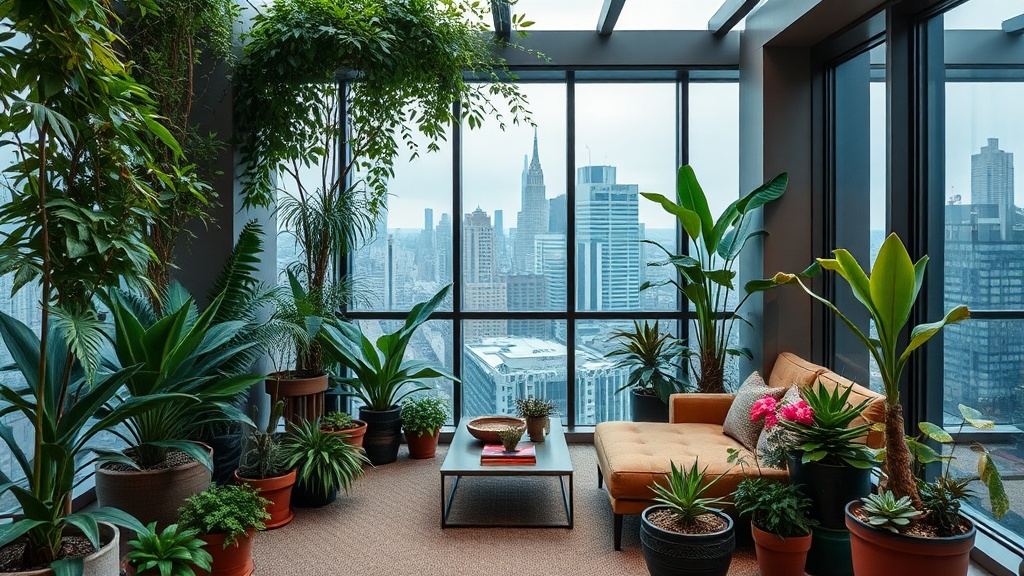
Cultivating a Private Botanical Sanctuary in Your Urban Penthouse

Have you ever wondered how to bring the serenity of a lush, outdoor garden into a high-rise apartment with limited space? This post examines the practical steps for designing and maintaining a high-end indoor garden within an urban penthouse. We'll look at light requirements, specialized irrigation, and the specific plant species that thrive in controlled indoor environments.
What Kind of Plants Thrive in High-Rise Environments?
The best plants for a penthouse are those that can handle consistent indoor temperatures and specific light levels. High-rise living often means dealing with microclimates—areas near large windows that get much more sun than the center of the room. You need plants that can adapt to these shifts or thrive under supplemental lighting.
For areas with high light, such as a sun-drenched balcony or a window ledge, succulents and even certain varieties of Ficus are great. If your space is more shaded, look toward the Calathea species. These plants actually prefer the indirect light found in modern, floor-to-ceiling window designs. They add a striking visual texture without needing a full sun exposure.
Here is a quick breakdown of plant types based on light needs:
- High Light (Direct Sun): Bird of Paradise, Jade Plants, and Aloe Vera.
- Medium Light (Bright Indirect): Monstera Deliciosa and Fiddle Leaf Fig.
- Low Light (Shaded Areas): Snake Plants and ZZ Plants.
It's a common mistake to assume all "greenery" is the same. A Fiddle Leaf Fig is a statement piece, but it can be temperamental. If you aren't prepared to monitor soil moisture closely, a more resilient Snake Plant might actually be the better choice for your aesthetic. (I've learned this the hard way after a few dead Ficus plants in my own place.)
How Much Does an Indoor Garden System Cost?
The cost of an indoor botanical setup ranges from a few hundred dollars for a few curated pots to thousands for a fully automated system. A basic collection of high-end ceramic planters and premium soil will cost very little, but a professional-grade installation is a different story. You aren't just buying plants; you're buying a piece of living architecture.
If you want to do this right, you'll likely spend more on the infrastructure than the greenery itself. For example, a high-end smart lighting system for plants can be a significant investment. A single high-performance grow light from a brand like Plejd or specialized horticultural brands can cost anywhere from $200 to over $1,000 depending on the intensity and smart features.
| Component | Entry-Level (DIY) | Professional/Automated |
|---|---|---|
| Planters | $50 - $200 (Terra Cotta/Ceramic) | $500+ (Custom Stone/Architectural) |
| Lighting | $40 - $100 (Standard LED) | $300 - $1,500 (Smart Grow Systems) |
| Irrigation | $0 (Manual Watering) | $500+ (Automated Drip/Smart Sensors) |
Worth noting: don't skimp on the soil. Using cheap, generic potting mix from a big-box store in an expensive ceramic pot is a recipe for root rot. Invest in high-quality organic potting mixes that are designed for indoor drainage.
How Do I Manage Humidity and Light in a Penthouse?
Managing humidity and light requires a combination of smart technology and strategic placement. Most penthouses suffer from two extremes: too much direct sun that burns leaves, or too much air conditioning that dries out the air. You'll need to balance these factors to keep your plants from looking wilted or scorched.
First, let's talk about light. If you have massive windows, the sun can be brutal. You might want to look into UV-filtering window films. These are nearly invisible but can significantly protect your plants from being scorched. If your space is too dark, you'll need to supplement with full-spectrum LED lights. These aren't just for "growing" plants; they can be designed to look like sleek, modern light fixtures that blend into your decor.
Then there's the humidity issue. Central air conditioning is a plant's enemy. It strips moisture from the air, leaving your tropical plants parched. A high-end humidifier can fix this, but it's better to integrate it into your lifestyle. I often use a sleek, silent humidifier during the winter months to keep the air from feeling "crisp" and dry. It helps the plants, and honestly, it helps my skin too.
The catch? Humidity control can be a bit of a chore if you don't automate it. If you're constantly running a humidifier, you might notice a slight increase in your electricity bill or a need to clean the unit more frequently. It's a small price to pay for a thriving jungle in your living room.
Selecting the Right Materials for Your Greenery
The containers you choose are just as important as the plants. In a luxury setting, the "pot" is an extension of your interior design. You shouldn't just throw a plastic nursery pot on your floor. Instead, look for materials that complement your existing furniture.
If you're working with a minimalist, modern aesthetic, heavy stone or matte black ceramic works beautifully. If your space is more classic, perhaps a high-end brass or glazed porcelain vessel would fit. Just remember that the material affects drainage. A heavy stone pot looks great, but it can be quite heavy to move if you decide to rearrange your layout.
When choosing your setup, consider these three things:
- Weight: Can your balcony or shelving handle the weight of wet soil and heavy ceramic?
- Drainage: Does the pot have a hole, or will you need to use a "cachepot" (a decorative outer pot with no hole)?
- Texture: Does the matte or glossy finish of the pot clash with your window treatments?
I've found that a mix of textures—some smooth, some rough—creates a more natural, "organic" feeling. It prevents the space from looking too sterile or like a showroom. It should feel lived-in, even if it's highly curated.
Maintaining a botanical sanctuary is a long-term commitment. It's not just about the initial purchase; it's about the daily rhythm of care. Whether you're adjusting a light or checking the moisture levels in your soil, these small actions turn a collection of plants into a cohesive living environment. If you're interested in how to maintain a high-end environment in other areas of your home, you might enjoy reading about crafting a high-end coffee experience to further refine your daily rituals.