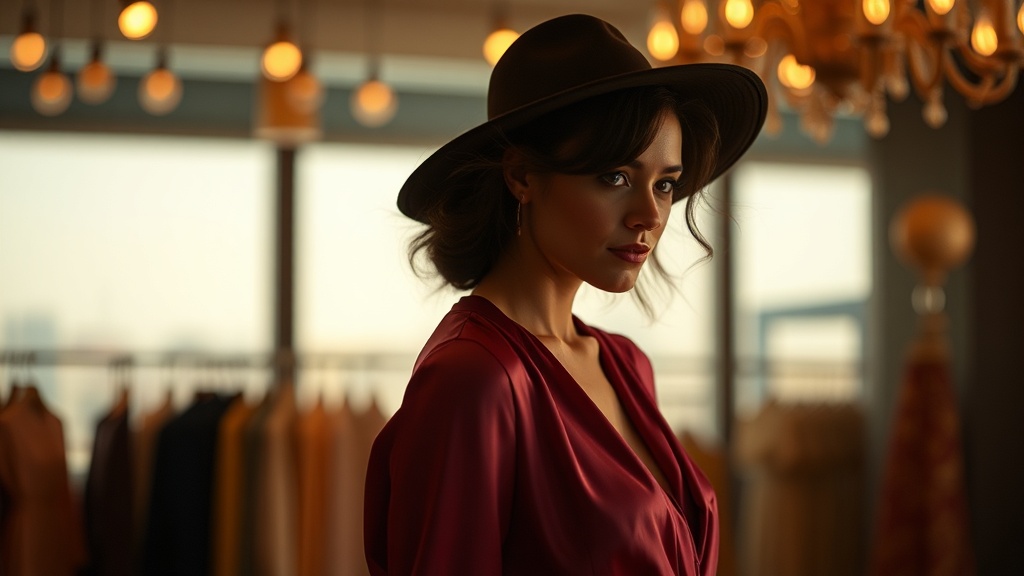
Curating a Signature Wardrobe of Fine Silk Silhouettes

Imagine standing before a closet filled with high-quality garments, yet feeling like you have nothing to wear. You reach for a silk blouse, but the fabric feels thin, the sheen is artificial, and the drape lacks the weight required for a professional setting. This post examines how to identify high-grade silk, how to select silhouettes that offer longevity, and how to build a functional collection of silk pieces that work across different seasons. It is about moving past the novelty of a single "statement piece" and toward a cohesive, high-quality wardrobe.
Silk is a deceptive fabric. It can look incredibly expensive or remarkably cheap depending entirely on the weave and the weight. If you invest in the wrong varieties, you end up with garments that pill, snag, or lose their shape after a single dry cleaning. Building a signature wardrobe requires a shift in mindset—from buying more to buying better.
How Do I Identify High-Quality Silk?
The most reliable way to identify high-quality silk is to check the weight (measured in momme) and the specific type of weave used. A high momme count indicates a denser, more durable fabric that will drape beautifully rather than clinging to the body in unflattering ways.
Most mass-market silk items are made from lightweight silk chiffon or habotai, which are beautiful but fragile. For a signature wardrobe, you want to look for silk crepe de chine or heavy silk satin. These fabrics have enough heft to hold a silhouette. If you are shopping online, look for brands that explicitly state the momme weight in their product descriptions. Brands like Loro Piana or The Row often use heavier weights that justify their price points.
You should also perform the "scrunch test." Take a corner of the fabric and squeeze it in your fist for five seconds. If it remains heavily wrinkled, it lacks the structural integrity needed for daily wear. High-quality silk should bounce back somewhat. It’s a small detail, but it’s the difference between a garment that looks polished and one that looks lived-in after twenty minutes of sitting in a car.
A quick checklist for your next purchase:
- Check the luster: Natural silk has a soft, multidimensional glow. Synthetic "silk-look" polyester has a harsh, shiny glare.
- Examine the seams: Silk is delicate. Look for French seams (where the raw edges are tucked away) to prevent fraying.
- Weight: Hold the garment up. It should feel substantial, not flimsy.
If you appreciate the sensory details of your environment, you might also enjoy learning how to curate a bespoke home fragrance wardrobe to match the tactile luxury of your clothing.
What Are the Best Silk Silhouettes for Versatility?
The best silk silhouettes are those that balance fluid movement with structured edges. A garment that is too loose can look shapeless, while one that is too tight will eventually stress the silk fibers and cause tearing.
When building a wardrobe, start with the "Foundational Three." These are the pieces that can be dressed up or down depending on your footwear and accessories.
- The Silk Slip Skirt: A bias-cut silk skirt in a neutral tone (champagne, navy, or charcoal) is a workhorse. It works with a heavy cashmere sweater in the winter and a simple white tee in the summer.
- The Oversized Silk Button-Down: This is your most versatile top. A slightly oversized silk shirt provides a relaxed yet professional look. It’s the kind of piece you can wear tucked into high-waisted trousers or left open over a tank top.
- The Silk Wrap Dress: This silhouette is timeless. The ability to adjust the waist allows the garment to remain relevant as your body changes slightly over the years.
The goal isn't to own a dozen silk items; it's to own five that do the work of twenty. A heavy silk midi skirt from a brand like Max Mara can be worn to a gallery opening or a casual brunch. It’s the versatility of the silhouette—not just the fabric—that makes it a "signature" piece.
On the flip side, avoid overly trendy silhouettes like extreme cut-outs or hyper-short hemlines. Silk is a classic material. If the cut is too "of the moment," the garment will feel dated within a single season. Stick to classic lines that emphasize the way the fabric moves when you walk.
Is Silk Hard to Maintain?
Silk is actually quite easy to maintain if you follow specific, disciplined rules regarding temperature and cleaning. The difficulty lies in the fact that silk is a protein fiber—it is essentially a natural material that can be damaged by harsh chemicals or high heat.
The biggest mistake people make is over-washing. You shouldn't be washing your silk tops every week. For most high-end silk, spot cleaning or professional dry cleaning is the way to go. However, if you are washing at home, use a pH-neutral detergent specifically designed for silk or wool. Never use standard laundry detergent, as the enzymes can actually dissolve the silk fibers over time.
| Method | Best For | Warning |
|---|---|---|
| Professional Dry Cleaning | Structured blazers, heavy silk gowns | Avoid frequent cleaning to prevent chemical buildup. |
| Hand Washing | Silk slips, lightweight blouses | Use cold water and a silk-specific soap. |
| Steaming | Removing wrinkles from almost all silk | Never use a hot iron directly on the fabric. |
Steaming is your best friend. A handheld steamer is much safer than an iron. If you must iron, do it while the garment is slightly damp and use the lowest heat setting possible. This preserves the "hand" (the feel) of the fabric. If you iron a dry silk garment with high heat, you risk creating a permanent "shine" on the seams that ruins the look of the piece.
For more on creating a sensory-rich lifestyle, consider how to elevate your morning ritual with scented layering to complement the tactile experience of your wardrobe.
It is also worth noting that storage matters. Never hang heavy silk knits or heavily embellished silk pieces on thin wire hangers. The weight of the garment will cause the hanger to "stretch" the shoulders. Use padded silk-specific hangers or fold them loosely in a drawer to prevent permanent stretching.
If you are looking for more technical information on textile properties, the Wikipedia entry on Silk provides a deep dive into the biological and chemical makeup of the fiber, which helps in understanding why it requires such specific care.
Building a wardrobe of silk isn't about excess. It's about the appreciation of a material that has been used for millennia because it works. It is a commitment to quality over quantity. When you find a piece that is the right weight, the right cut, and the right color, you don't just buy it—you keep it. You care for it. And eventually, it becomes a part of your identity.