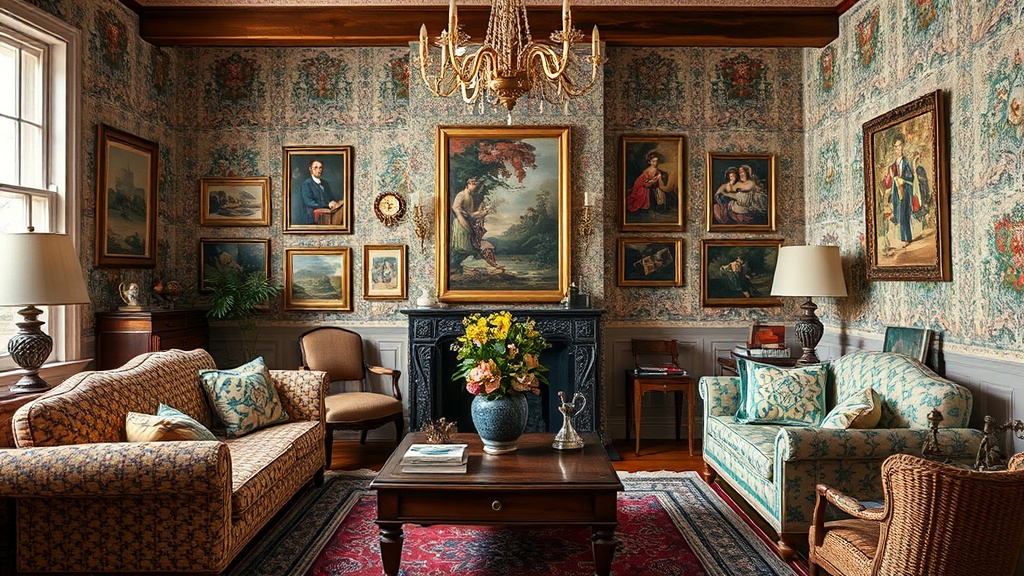
Selecting Rare Vintage Textiles for Your Living Space

Nearly 80% of high-end antique textiles are lost to improper storage or light exposure within just twenty years of their creation. This post examines the technical aspects of identifying, sourcing, and maintaining rare vintage textiles like silk brocades, hand-woven linens, and antique velvets for modern interior use. Understanding the structural integrity and material composition of these pieces ensures your investment adds character to a room rather than becoming a maintenance liability.
How Do You Identify Authentic Vintage Silk?
Authentic vintage silk is identified by its natural luster, its specific weight, and the presence of microscopic irregularities that machine-made fabrics lack. Real silk absorbs light rather than reflecting it harshly, a quality often missing in synthetic imitations. If you're looking at a piece of silk fabric, hold it up to a light source. Natural silk often shows slight variations in the weave density—this isn't a flaw, it's a sign of hand-production.
The weight is another giveaway. Genuine heavy silks, like those used in mid-century upholstery, have a specific "hand" or drape that feels substantial. Synthetic versions tend to feel much lighter or, conversely, unnaturally heavy due to plastic coatings. Look for the way the fabric moves. It should feel fluid, not stiff.
One way to check for authenticity is the burn test, though I'd suggest having a professional do this if the piece is incredibly valuable. Natural silk fibers burn slowly and leave a fine, ash-like residue. Synthetics will melt and smell like burning plastic. It's a simple, definitive test.
Common Silk Types in High-End Decor
- Silk Velvet: Known for its deep, rich pile and incredible light absorption.
- Damask: A reversible fabric where the pattern is woven into the cloth using different weave structures.
- Taffeta: A crisp, smooth-surfaced silk that creates a distinct "rustle" when moved.
- Brocade: A heavy, decorative fabric often featuring raised patterns made with gold or silver threads.
What Should You Look for When Sourcing Antique Textiles?
When sourcing, you must prioritize the structural stability of the fibers over the visual pattern. A beautiful antique rug or curtain is useless if the base threads are brittle or decaying. Always inspect the "selvage" or the edges of the fabric first. If the edges are fraying excessively, the entire piece is likely compromised.
I've found that many collectors get distracted by the color. While a vibrant, aged jewel tone is striking, it shouldn't hide a failing substrate. Check the reverse side of the textile. If the back looks significantly different or more worn than the front, the fabric is thinning. This is especially true with vintage velvets, where the pile can become "bald" in high-friction areas.
Check for light damage. If a textile has been sitting in a display window for decades, the side facing the light will be significantly more faded than the side facing the wall. This is a common issue with museum-quality textiles. If the color is uneven, you'll need to account for that when pairing it with other pieces in your room.
Don't forget to check for "foxing." These are small, brownish spots caused by mold or oxidation of metal threads. While a bit of foxing can be part of the charm, heavy spotting often indicates a moisture problem that could spread to your other furniture.
| Material Type | Ideal Use Case | Maintenance Level | Durability Score |
|---|---|---|---|
| Vintage Linen | Dining Room Runners | Low | High |
| Antique Silk | Accent Pillows | High | Medium |
| Wool Rugs | Living Room Centerpieces | Medium | Very High |
| Velvet | Statement Drapery | High | Low |
How Much Does It Cost to Preserve Vintage Textiles?
The cost of preservation varies wildly depending on whether you are performing basic upkeep or hiring professional conservators. For a standard home, you can spend $50 to $200 annually on high-quality storage supplies like acid-free tissue and pH-neutral boxes. However, professional textile conservation can cost hundreds of dollars per hour.
If you're treating a piece as a centerpiece, expect to invest in specialized care. For example, if you have a vintage silk rug, you might need a professional cleaning every 3 to 5 years. This isn't a DIY job. Using the wrong solution on a delicate silk can permanently ruin the fibers. It's better to budget for a professional service early on than to pay for a full replacement later.
Here is a breakdown of typical maintenance costs for high-end textiles:
- Acid-Free Storage Boxes: $30 - $100 per box.
- Professional Dry Cleaning (Silk/Velvet): $50 - $150 per item.
- Textile Conservator Consultation: $150 - $300 per hour.
- UV-Protective Window Films: $200 - $600 per window.
The cost of UV film is a one-time investment that can save thousands in the long run. If you're placing a vintage silk curtain near a large window, the sun is your biggest enemy. I've seen even the most expensive silks turn brittle and pale in just a few seasons because of unprotected sunlight. It's an expensive mistake to make.
When deciding on a piece, ask yourself: "Can I maintain this without specialized tools?" If the answer is no, you're not just buying a textile; you're buying a long-term responsibility. This is why many designers prefer using high-quality modern reproductions for high-traffic areas like sofa upholstery, saving the true antiques for low-impact areas like wall hangings or decorative pillows.
It's also worth noting that many people forget about the humidity factor. A beautiful textile in a dry, climate-controlled room will last much longer than one in a humid basement. If you live in a place with high moisture, your maintenance costs will naturally climb. You'll likely need a dehumidifier to prevent the growth of mold or the breakdown of organic fibers.
A well-curated home isn't just about what you display, but how you protect it. Whether it's a hand-woven tapestry or a single silk cushion, the care you put into it determines its lifespan. Most people focus on the purchase, but the real skill lies in the stewardship of these objects.
If you're already focusing on the tactile elements of your home, you might also be interested in curating a bespoke home fragrance wardrobe to complement the textures of your space. The way a room smells can change how a heavy velvet feels to the senses.